 Állatmentő Szolgálat
The two of us run the foundation.
We are Edina and Soma. We look after injured and sick animals and animals that need special care. For many of them adoption is not a good solution, and our wild animals cannot be released back into nature.
We have no office and no duty rota: the same two people have known every animal in our care since the day it arrived.
- 2012
- the year we started
- 58
- animals in our care
- 16
- rooms, enclosures and an aviary
- 14
- annual reports, all public
What guides us
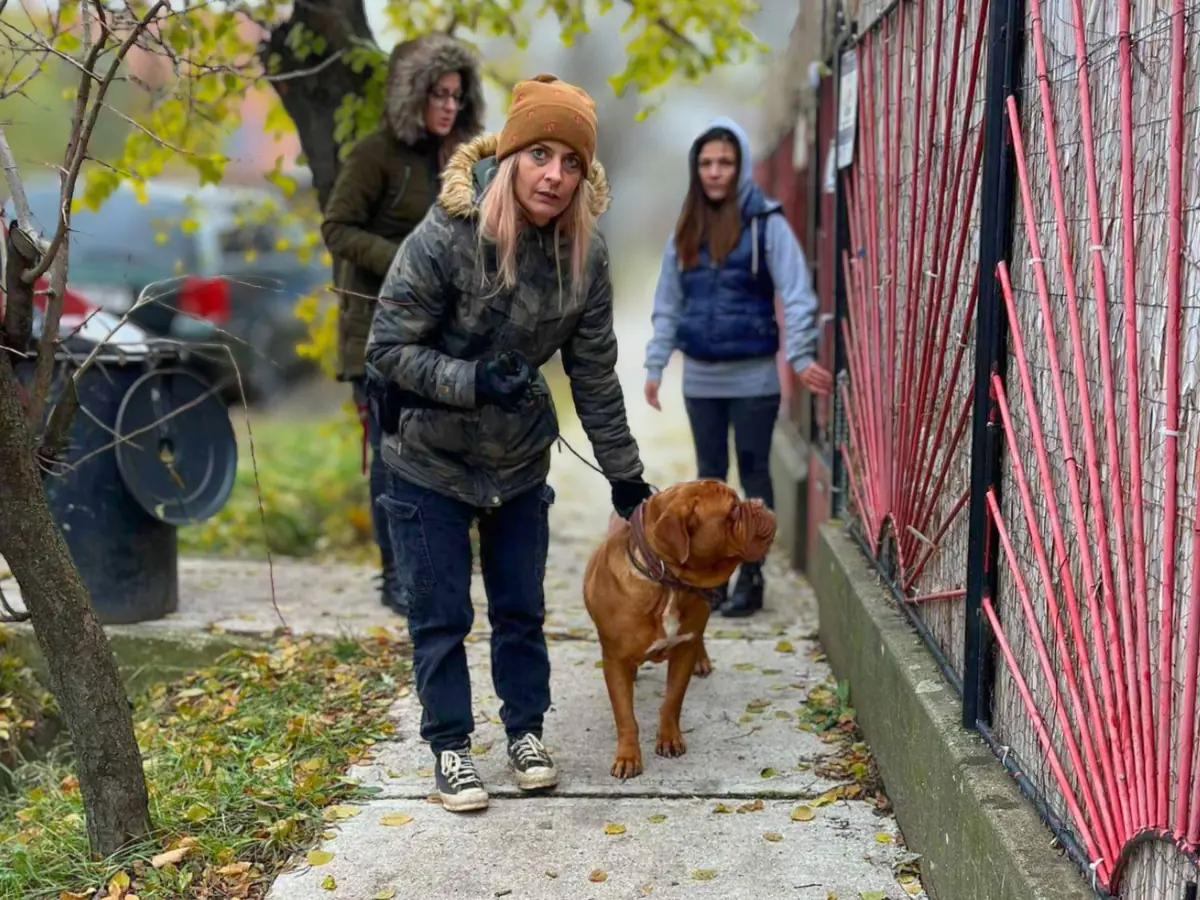
We both stumbled into animal protection more than twenty years ago, and since then it has been hard to say whether animal protection became part of our lives or we became part of it.
Over all these years we have experienced the extremes: cruelty and generosity, sadness and joy that moves us to tears, death and miraculous recovery.
We have learnt how much weight our decisions carry, and what it means to take responsibility for lives that, because of their condition, have special needs and require different care from their healthy companions. We know there is still a great deal for us to learn, so we try to keep improving.
We are vegan, and we believe that everyone should strive to do as little harm as possible. We want the foundation’s work to help not only the animals that come to our attention, but also those whose existence we do not even know about. That is why we put all our experience towards making animals’ lives much better.
Thank you for supporting our work!
Edina and Soma
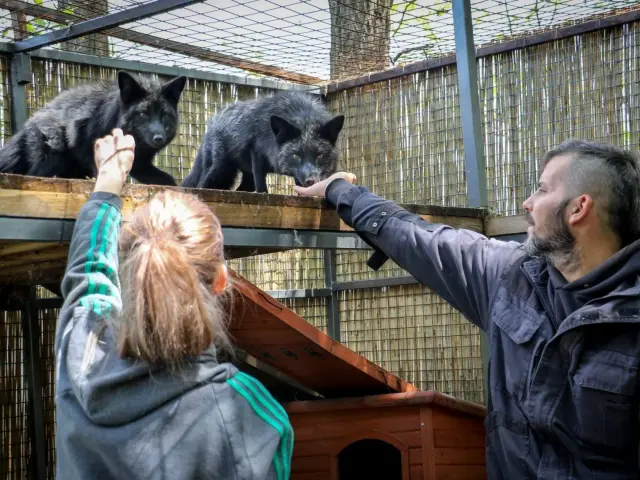
We do most of the work as volunteers: according to the 2025 annual report, the members of the board of trustees receive no remuneration of any kind.
Vets and rehabilitation specialists, partner companies, volunteers and friends help us, many of them for years.
The people who work with us (in Hungarian)From daily care to legislative proposals
Most of our work is the daily care of our animals. What we learn along the way, we try to pass on: in guides that other organisations and owners can use too, and in legislative proposals when the problem lies not in individual cases but in the rules.
-
Treatment
Rescue, veterinary treatment, rehabilitation. We currently have fifty-eight animals in our care, twenty-one of them permanently disabled, and many will stay with us for the rest of their lives.
Our animals -
Care
Feeding, medication, exercise, cleaning, check-ups. This work never stops: every day starts the same way.
The daily routine of care -
Advocacy
When our daily work keeps running into the same legal obstacle, we write it down and propose a solution. In September 2026 we submitted an initiative on the legal regulation of wildlife rehabilitation to the Ministry for the Living Environment and the Ministry of Agriculture and Food Economy.
Advocacy -
Knowledge & Research
Guides, template submissions and an office finder for people trying to find their way through an animal welfare case. The office finder covers 3,197 Hungarian municipalities.
Knowledge & Research
Many of our animals stay with us for good
Most shelters are a temporary home: an animal recovers there and goes on to a new owner. Many of our animals live with conditions that need skilled care throughout their lives. They include dogs with spinal injuries, animals living with permanent injuries, and individuals of wild species that cannot be released because of their injury or their life in captivity.
If one of our animals could have a good owner, we look for a home for it and say so on its page. If not, it stays with us, and we organise its care so that it can be sustained for years, even for the rest of its life.
- 21
- permanently disabled animals needing special care
- 13
- wild animals that cannot be released into nature
The two figures cannot be added together: an animal can belong to both groups.
The fox sanctuary
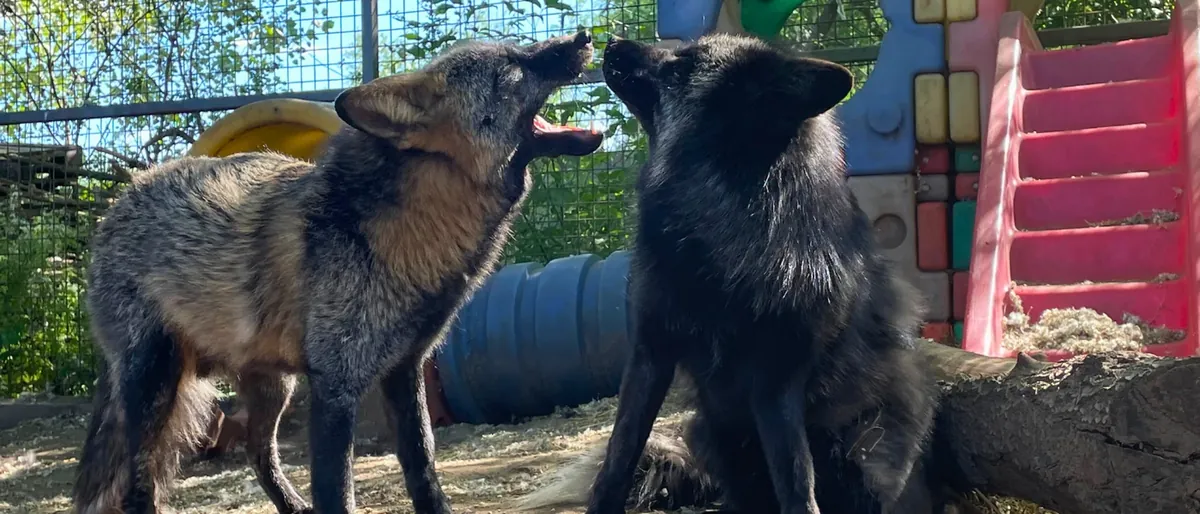
Our foxes came to us in different ways: from fur farms, from private keeping, or from situations from which they could no longer return to the wild. The first fox to stay with us for good was Loki, who arrived in early 2020. Pawel and Pietro were rescued from a Polish fur farm by Otwarte Klatki and came to us through Una Terra.
Where each of them came from, and how they live today, can be read on their own pages.
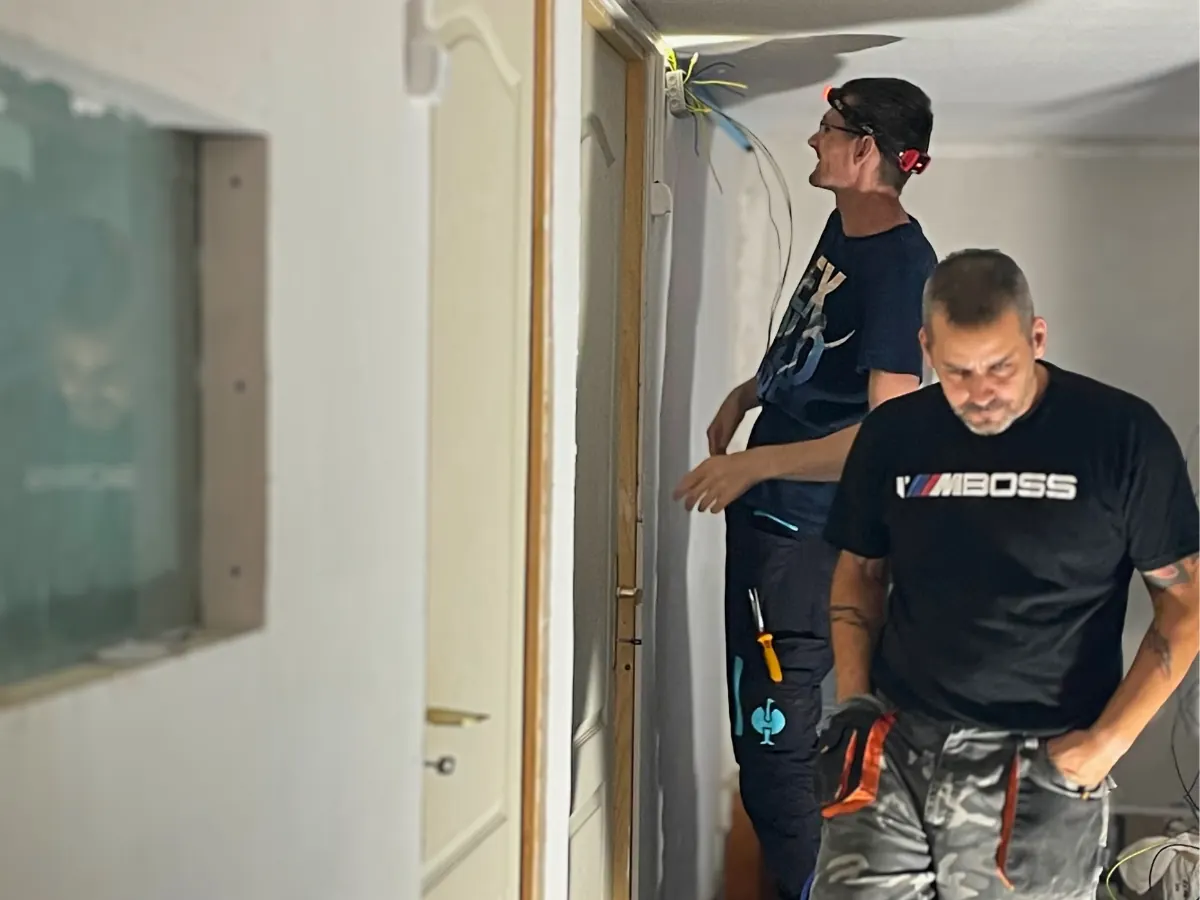
We built all sixteen places ourselves
We adapted each of them to the animals living in it. We also made the enclosures, the fences and the electrical wiring of the dog rooms ourselves, often with help from our friends, which is why our expenses include no contractor labour. In 2025 we spent HUF 2,478,820 on the site and its infrastructure, all of it on materials.
- 8
- dog rooms
- 1
- large cat enclosure
- 6
- fox enclosures: 3 smaller, 3 large
- 1
- aviary
How we make decisions
In the next chapter we describe the principles behind our decisions in daily work, how caring for wild animals differs, and what we do not do.