 Állatmentő Szolgálat
Dogs
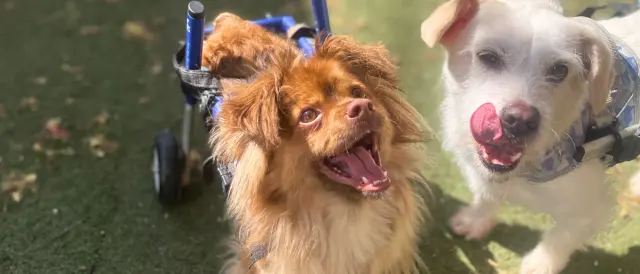
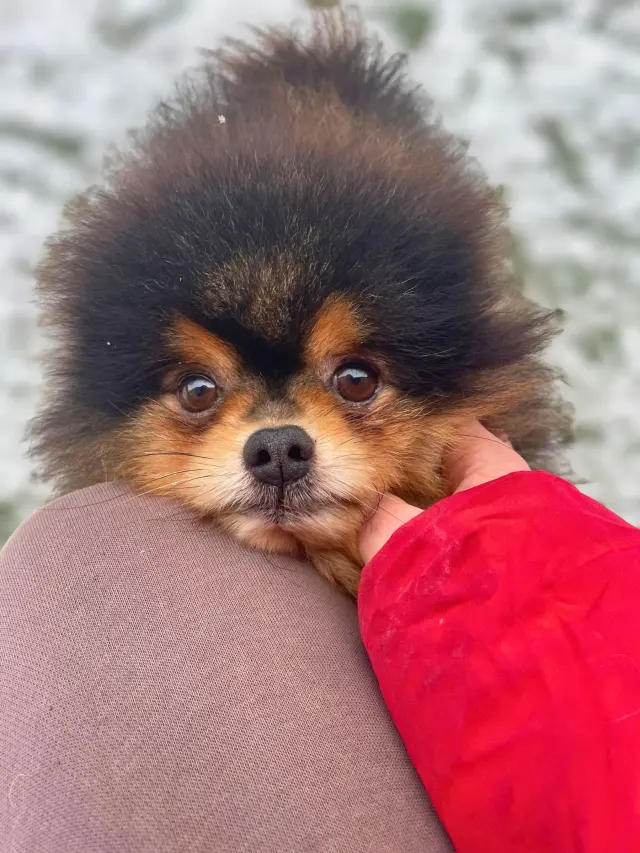
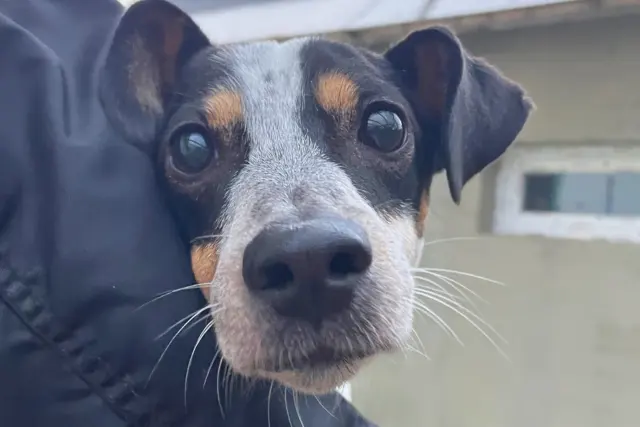
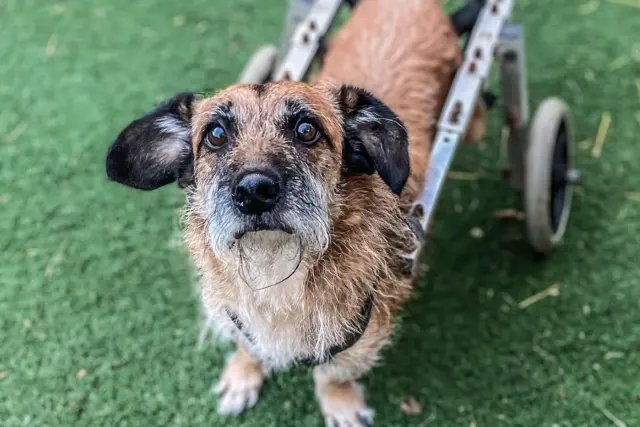
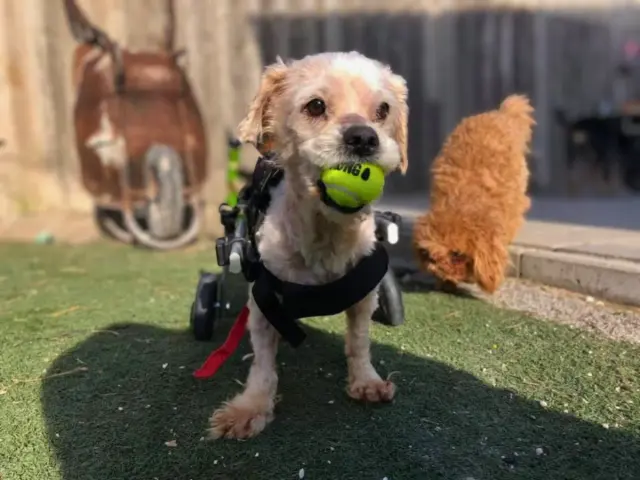
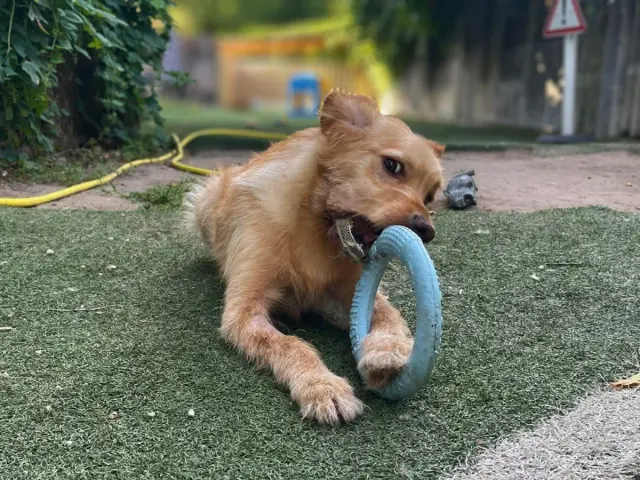
Most of our dogs arrived with an injury, illness or past that means their care does not end with an operation. Among them are dogs with spinal injuries, blind and hydrocephalic dogs, dogs living with old fractures, and some who fear people because of their past. Each of them receives care adapted to their condition, many of them for years now.


Where they come from
Most of the dogs living with us did not come from the streets, but from places where people kept them.
-
Puppy farming and breeding
Ten organisations worked together to rescue nearly a hundred dogs from Nyírbogát.
-
Work and smuggling
- Harleyused for poaching
- Bütyifrom a dog smuggler
- Herkulesfrom dog smugglers
- Ifj. Melákfrom dog smugglers
- Csokifrom dog smugglers
-
Accident
-
From a shelter or association
We have written about why the same background keeps coming up in our analysis Puppy farming: how suffering became a business.
What they live with
Not all of them have the same problem, and the same diagnosis does not mean the same life. Each name takes you to the dog's own page.





What long-term care means
Long-term care is not made up of the occasional major intervention, but of what is repeated every single day.
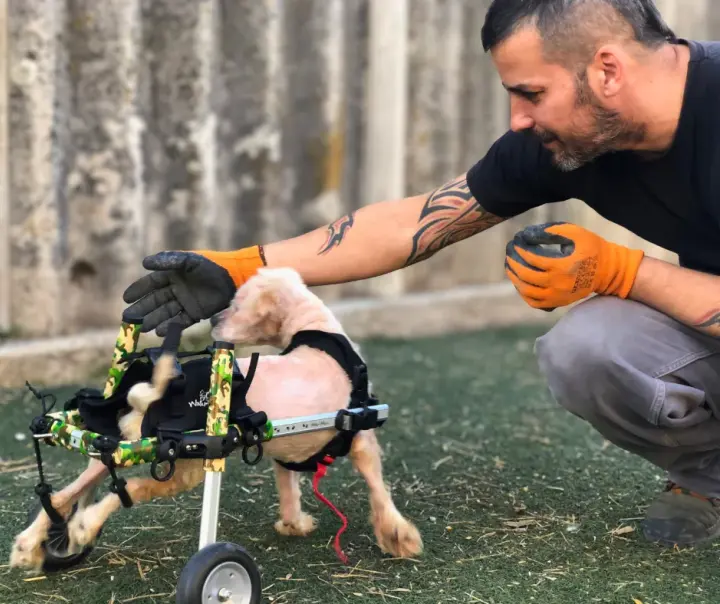
- Being outside Every dog goes out at least three times a day, in small groups of dogs who get on well together.
- Medication and check-ups They get their medication exactly on time. Check-ups, dressing changes and rehabilitation are part of the daily routine, not exceptional events.
- Mobility aids, special care The wheelchair has to be put on and adjusted. Some paralysed dogs also need help emptying their bladder, every day.
- Their own diet Each dog gets a diet adapted to their condition. Táti's bowel disease, for example, is kept under control with a prescription diet.
How a day goes from morning to night, and how we can tell that a permanently disabled dog has a good life, is described on the Care page.
Where they go on to live
If a dog can have a good home, we look for one. Those who need care that cannot be expected of an adopter stay with us, which is why most of our dogs live with us long term.
If you would like to adopt one of our dogs, write to us at contact@amsfoundation.ngo.
Long-term care has a monthly cost.
Medication, check-ups, special food and therapy – every month, for years.