 Állatmentő Szolgálat
01 · The three layers
One puppy farm, three levels of criminal offence
Illegal puppy farming is rarely an offence on its own. The way a puppy farm operates typically involves breaches of animal welfare law, document offences and corruption at the same time – and it is precisely the combination of these that makes a case detectable and provable.
Layer 1
Animal welfare
Sick, neglected dogs on the farm, breaches of the keeping rules; puppies in commercial quantities, weaned too early. Btk. §§ 244, 244/A
Layer 2
Documents
Forged pedigree certificate, blank or forged vaccination booklet, animal health document with false content. Btk. §§ 342–343, 345–346
Layer 3
Corruption
An undue advantage given or requested in return for issuing the forged papers or ‘turning a blind eye’ to them. Btk. §§ 293–294, 308
02 · The animal welfare layer
The puppy farm as an offence
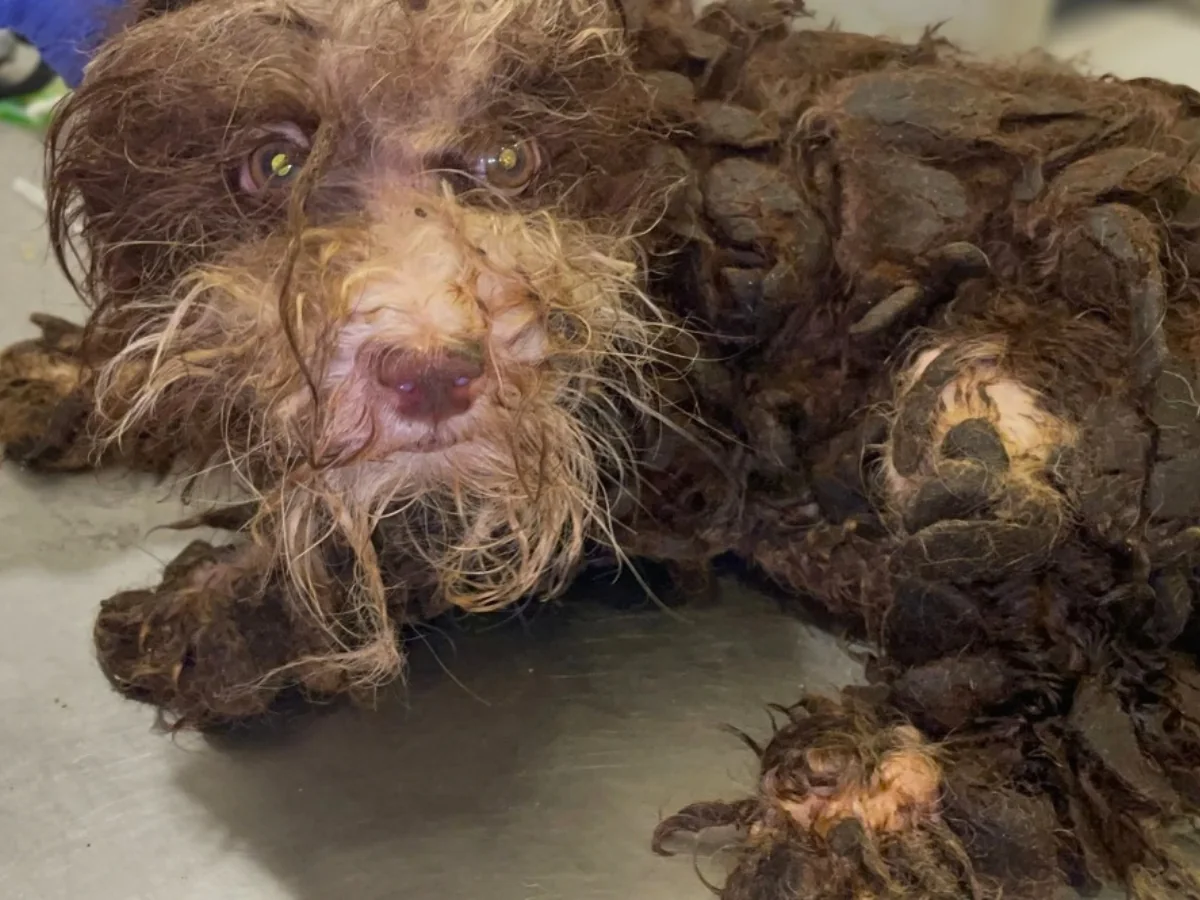
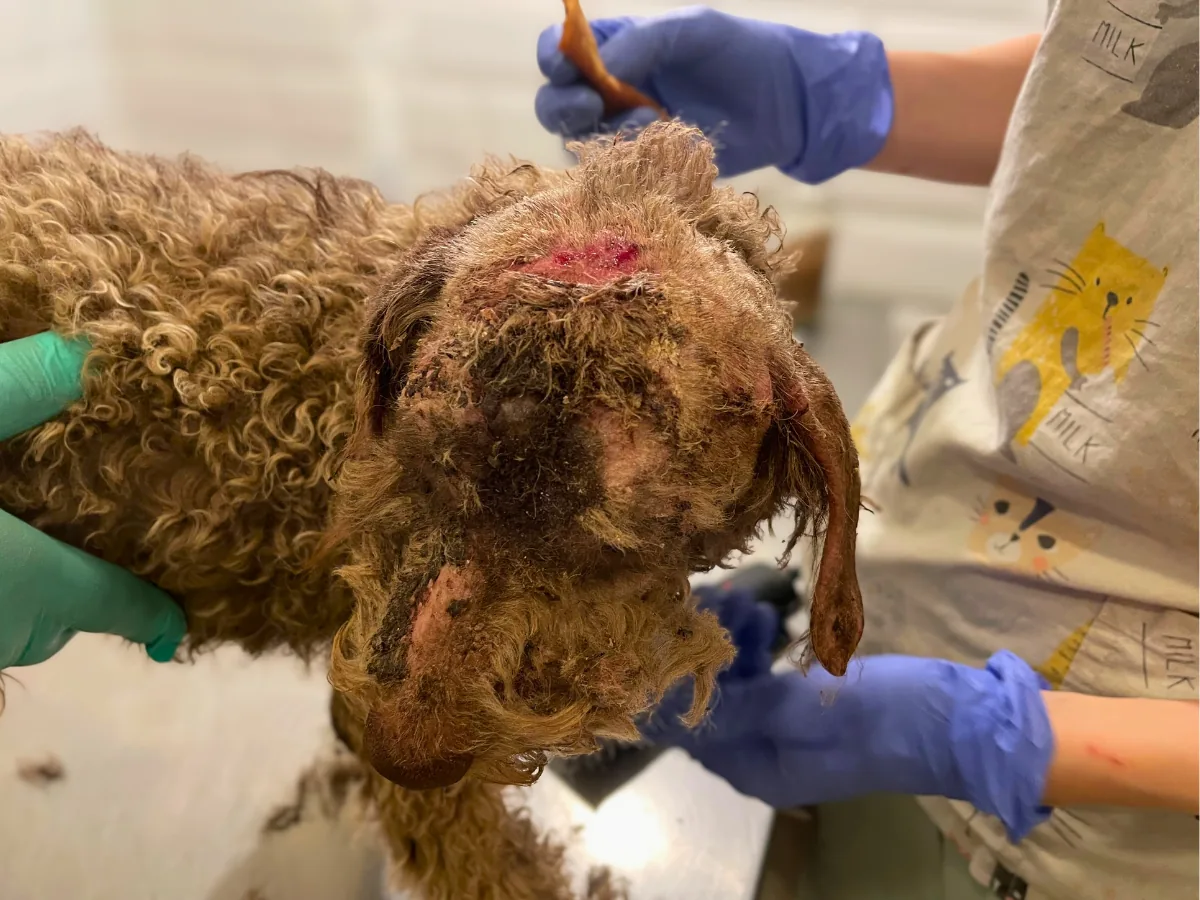
Keeping animals on a puppy farm is typically an animal welfare breach in itself: overcrowding, untreated diseases, lack of space to move and of proper care. The condition of sick, weakened dogs on the farm – supported by veterinary documentation – can in itself reach the level of animal cruelty (Section 244 of the Criminal Code, Btk.) if the treatment is capable of causing permanent damage to health or death.
Domestic sale too early and cross-border trade
| Conduct | Legal classification | Note |
|---|---|---|
| Sick/weakened dogs on the farm, kept without treatment | Btk. § 244 | Veterinary documentation decides; can also be committed by omission |
| Domestic sale of an individual puppy too early, before eight weeks of age | Animal Protection Act (Ávtv.) / keeping rules | Primarily a breach of the animal welfare and keeping rules – not Section 244/A |
| Cross-border movement of puppies in commercial quantities (five or more), weaned too early | Btk. § 244/A | The offence centres on cross-border movement in commercial quantities |
| Cruelty to more than ten animals, committed for gain in connection with breeding | Btk. § 244(4) | Heavier penalty range, with failure to exercise the care expected of a good keeper |
Do not confuse
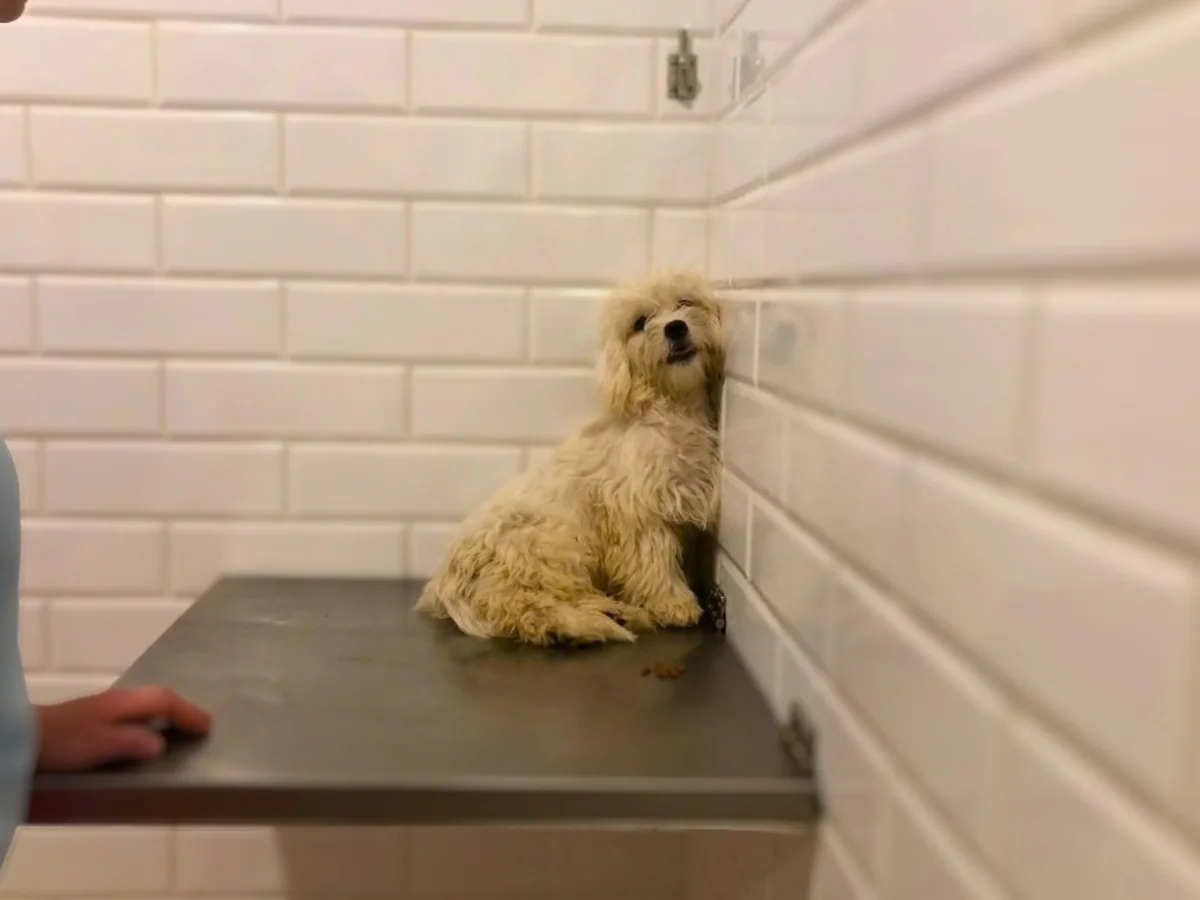
Selling puppies domestically too early and Section 244/A of the Criminal Code are two separate things. Section 244/A relates to the cross-border movement of puppies in commercial quantities; domestic, individual, too-early weaning primarily breaches animal welfare/keeping rules (and if the animal suffers, Section 244 may come into play).
03 · The documentary layer
Forged pedigree and vaccination documents
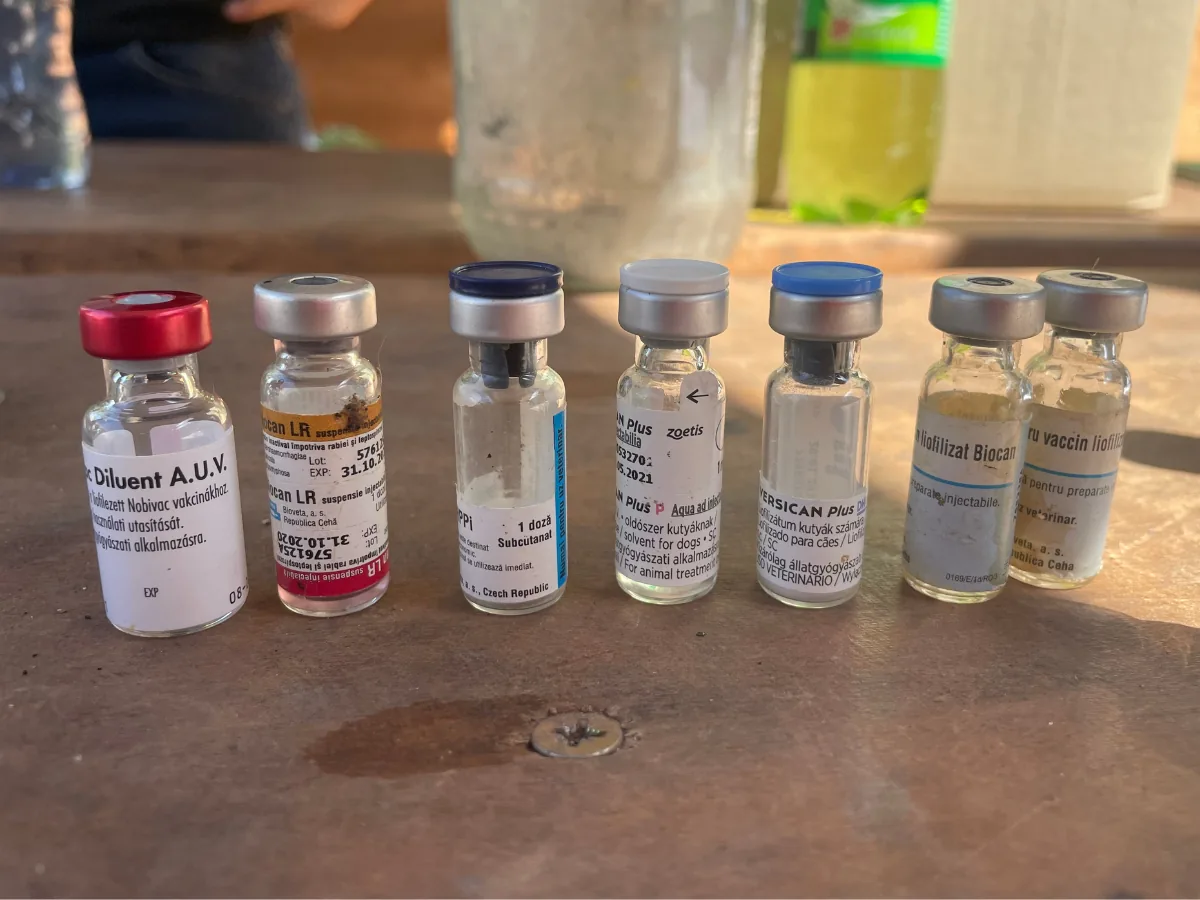
The movement of puppies in commercial quantities before the proper age and illegal puppy farming typically go together with forged papers: a pedigree certificate, vaccination record, proof of age or animal health document with false content. Blank (pre-signed, unfilled) vaccination booklets and vaccination entries with false content are among the most common elements – they are used to make the puppy ‘older’ or to certify vaccinations that never took place.
Public deed or private deed? – the legal classification depends on it
An animal health document issued by an official veterinarian in an official capacity counts as a public deed (közokirat). Forging it, or issuing it with false content, weighs more heavily than doing the same with a document issued by a private individual.
| Type of document | Offence | When |
|---|---|---|
| Public deed (közokirat) | Public deed forgery (közokirat-hamisítás, Btk. §§ 342–343) | A document issued by an official veterinarian in an official capacity; forgery or issuing it with false content |
| Private deed (magánokirat) | Using a false private deed (hamis magánokirat felhasználása, Btk. § 345) | Use of a document with false content, issued by a private individual and serving to prove a right or obligation |
| Any document | Abuse of a deed (okirattal visszaélés, Btk. § 346) | Misuse of another person’s document, obtaining or using it without authorisation |
What to look out for in the legal classification
Whether a document is a public deed or a private deed always depends on the nature of the document in question, so leave this to the authority. In your report, describe the facts (who issued or used what document, with what false content), and keep the document itself (do not give it back to the puppy farmer).
04 · The corruption layer
Corruption in animal health administration
Behind forged animal health documents there is often corruption: an official veterinarian, or one acting in an official capacity, issues a false document or ‘certifies’ a vaccination or an age – in return for an undue advantage. An official task cannot be bought.
An official task cannot be bought
The animal welfare authority, the official veterinarian, the police officer or the dog control officer may not accept any money, gift or other advantage for performing a task prescribed by law. An ‘undue advantage’ is not only cash: a gift, hospitality, a discount or a favour can also amount to bribery.
| Who does what | Offence |
|---|---|
| Anyone who gives or promises an advantage for faster action, a more favourable decision or the issuing of a document | Active bribery regarding a public officer (hivatali vesztegetés) – Btk. § 293 |
| If the public official requests or expects an advantage, or accepts it | Passive bribery regarding a public officer (hivatali vesztegetés elfogadása) – Btk. § 294 |
| An integrity test carried out beyond its permitted scope or without authorisation | Integrity testing without authorisation (jogosulatlan megbízhatósági vizsgálat) – Btk. § 308 |
Integrity testing and the NVSZ
The National Protective Service (Nemzeti Védelmi Szolgálat, NVSZ) may check staff of the government offices who prepare decisions, take decisions or carry out inspections, including official veterinarians, by means of an integrity test: with the approval of a prosecutor, it creates an artificial situation to see whether they act lawfully. If you suspect corruption, you can file a criminal complaint with the police or the public prosecutor’s office. In the case of a government office employee you can also write to the NVSZ at the contact details given on its website. The NVSZ does not investigate itself: if it sees a suspicion of a criminal offence, it files a criminal complaint.
05 · How the offences connect
Why the three layers cannot be separated
The link between corruption and document forgery is not theoretical: it is a known type of case that an advantage given for issuing forged animal health documents amounts to a concurrence of criminal offences (halmazat): active bribery regarding a public officer and public deed forgery. Added to this are the animal welfare offence on the farm (Section 244) and the commercial movement of puppies (Section 244/A).
- Forged papers drive the tradeWithout a pedigree certificate and vaccination booklet with false content, the puppy cannot be sold ‘legally’ – so the puppy-farming chain depends on forged documents.
- Forged papers need someone to authenticate themThe appearance of a public deed is provided by a person acting in an official capacity – this is where corruption comes in.
- That is why it is one caseThe farm, the forged document and the corrupt assistance must be investigated together; separately, each is harder to prove.
06 · Case type
What it looks like in practice
The general case type below shows the mechanism – it is not a specific, identifiable case.
- The farmPuppies in commercial quantities, overcrowded keeping, sick animals, untreated diseases.
- The papersBlank vaccination booklets and pedigree certificates, or ones with false content; puppies made ‘older’, vaccinations that never took place certified.
- The authenticationThe false animal health document is issued or covered by a person acting in an official capacity – in return for an undue advantage.
- The saleThe puppies are sold through advertisements, often after being moved across borders.
- The detectionThe forged document, the vaccination booklet and the advertisement together link the threads: animal cruelty + document forgery + active bribery regarding a public officer, as a concurrence of criminal offences.
07 · Reporting
Where to turn, what to record
Because of the nature of the case, the right step is to notify several authorities in parallel – the layers fall within different competences.
| Layer | Where to turn |
|---|---|
| Animal cruelty, keeping | Police (Btk. § 244); animal welfare authority |
| Keeping, breeding, tax | Animal welfare authority; NÉBIH (for irregularities in animal health, food chain supervision, registration, breeding, trade or animal transport); NAV (trade, tax) |
| Document forgery | Police (Btk. §§ 342–346) |
| Corruption (suspected involvement of an official) | Police or public prosecutor’s office (criminal complaint); for a government office employee, for example an official veterinarian, you can also alert the NVSZ |
| Cross-border movement | NAV; police (Btk. § 244/A) |
- Record the documentPhotograph the forged or blank vaccination booklet or pedigree certificate legibly; do not give it back to the puppy farmer, and keep the original if it is lawfully in your possession.
- Save the advertisementA full screenshot with the URL and date; for long-term preservation, web.archive.org. Advertisements disappear quickly.
- Document the farmThe condition of the dogs, the keeping conditions, the number and age of the animals – from a place where you are lawfully present, not by entering a private home without authorisation.
- Ask for a veterinary reportProfessional, quantified documentation of the actual condition of the sick animals.
- Report in parallelTo the authorities above; if a government office employee, for example an official veterinarian, is involved, you can also alert the NVSZ in addition to filing a criminal complaint.
08 · Evidence and images
Documenting – lawfully
What to record
- The forged document (vaccination booklet, pedigree certificate) legibly, together with the identifiable details.
- The advertisement, with the URL and date; screenshots of your contact with the seller.
- The condition of the farm and the animals – from a place where you are lawfully present, with dates.
- The original files with their EXIF data; share copies only.
What not to do
- Do not buy the puppy ‘to rescue it’ – that keeps the market and the forgery chain going, and creates problems of proof.
- Do not enter a private home or fenced private property without authorisation – the recording carries legal risk.
- Do not state guilt as fact before a final and binding decision, and do not publicly brand a person in an identifiable way.