 Állatmentő Szolgálat
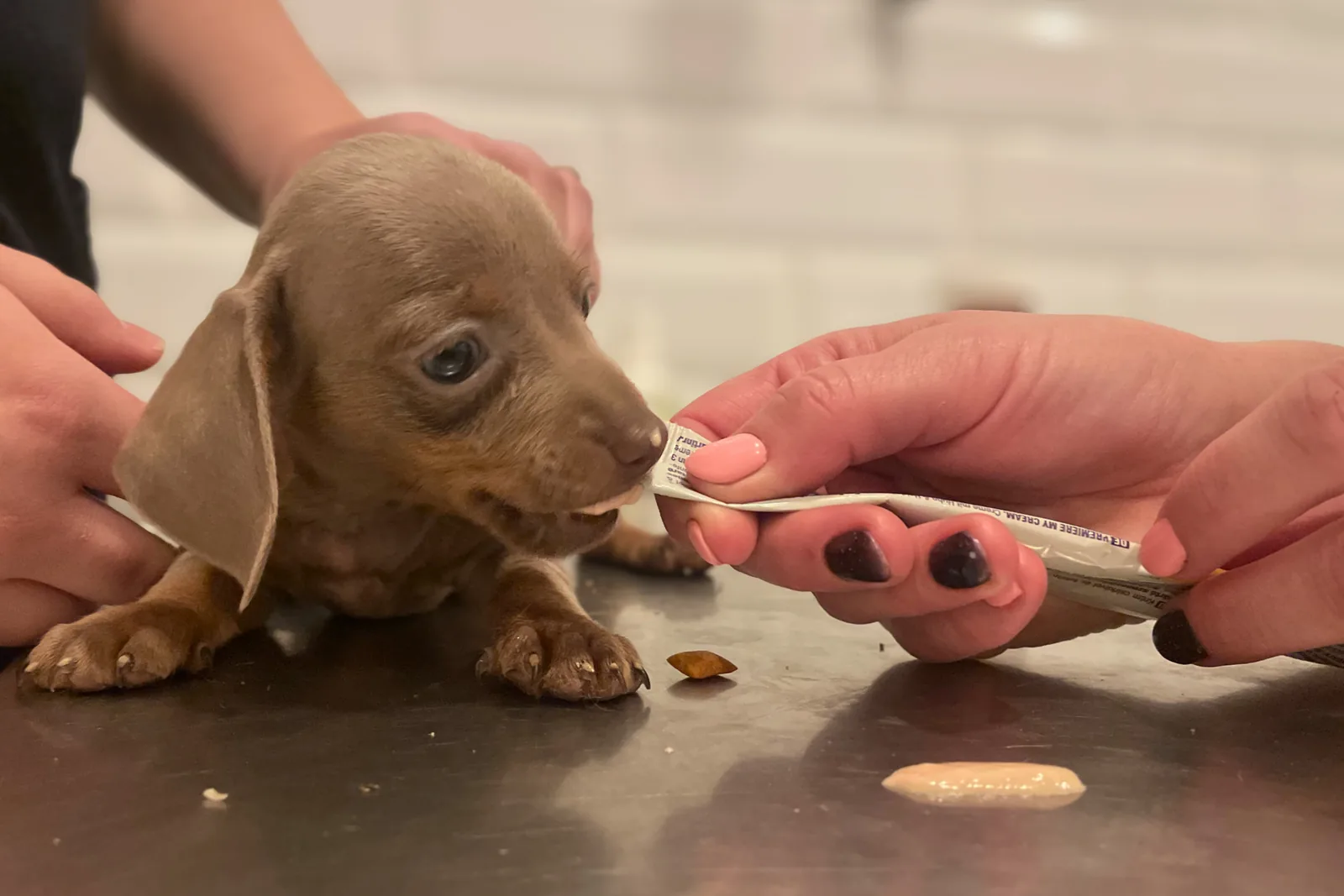
When we say ‘puppy farming’, most people still picture the same thing: a hidden backyard, a few cages, one bad person who obviously does not love animals and sees them only as money-bags.
But it is no longer that ‘simple’.
Puppy farming today is a system. It has been built up, it adapts, it learns. There is demand for it, and money flows from it. Either the rules are kept just enough to avoid trouble, or loopholes are sought. Meanwhile the suffering is made invisible, but it is still there. We are not talking about one person, one backyard or one litter, but about a chain. When we call it an industry, this is what we mean.
Puppy farmer, middleman, advertiser, ‘a friend of a friend’, ‘a family litter’, papers, stamps, passing the animals on. And yes, sometimes people who should be protecting animals are part of it too.
The industry begins where the dog is no longer a living being but an item to be sold.
Every year tens of thousands of puppies come from unchecked places. Most of them never appear in the statistics. No one knows how many animals are caught up in this system, but we all know that the problem is far bigger than any of us would think.
Young dogs with shattered nerves and genetic diseases are now an everyday sight. Organisations constantly receive requests for help because owners can no longer pay the vet bills.
Until we treat all of this as an industry, we will not be able to take action against it.
Why do people still buy dogs from puppy farmers?
Puppy farming would not exist without demand. It is not only the puppy farmers who are responsible. So is the system in which people buy dogs from them again and again – the system in which this horror can operate at all.
Puppy farmers know exactly what a prospective owner longs for. A quick solution. An affordable price. Cuteness. The feeling of having made a good decision. They no longer operate as they used to: they pay attention to the price. A puppy that is too cheap can be suspicious, so they push the price up a little, but only so far that a wide range of people can pay it, even if it is a stretch.
Buyers have no idea that the costs do not stop there: they will have to pay many times the purchase price on top. It shows in the vet bills, in chronic diseases, in behavioural problems. Or, in the end, with us, in the animal welfare system.
The online world further fuels demand. Social media sites, advertising groups, ‘a friend of a friend’. Without checks. Without responsibility. A well-staged photo, a friendly message, and the deal is done.
Puppy farmers do not force anyone. They serve a demand. The most frightening thing is that they evolve, and so they find their way to buyers again and again.
How does a puppy-farming network work?
Puppy farming has changed a great deal and is not what people imagine. Many think only of the puppy farmer and the overcrowded, neglected animals, and would never believe how organised the whole thing is.
Imagine a system in which everyone sees only a small slice. Often they do not even know how many people take part in their own chain, let alone who the participants are.
- Some produce.
- Some pass the animals on.
- Some advertise.
- Some ‘just help out’.
- Some transport.
- Some should be taking action against it.
- Some ‘didn’t know about it’.
- 01Puppy farmer
- 02Middleman / advertising
- 03Buyer
- 04New demand
- The cycle starts again: new demand leads back to the puppy farmer.
Puppies are often not born where they are sold. The mother dogs are often never seen by the buyer. The place the new owner sees may be a clean living room, a tidy garden, a ‘family environment’. Meanwhile the actual breeding happens somewhere else entirely.
The system is flexible. If one location is exposed, there is another. If one person drops out, the next one comes. If a route becomes problematic, it is reorganised.
This is not instinctive behaviour. It is a learned, adaptive, profit-driven structure.
Puppy farmers know exactly:
- when to pass a puppy on,
- when to make the mother disappear,
- when to call something a ‘family litter’,
- and when to sell quickly before questions arise,
- or when to make an entire stock of dogs disappear.
Many puppies are weaned too young. Because that way the costs are lower. The sale is faster. And there is less chance of it coming to light where the problems can be traced back to.
Perhaps the hardest thing to come to terms with is this: the network does not operate in the dark. It is there on the streets, online, in the advertisements. It is there in the ‘unsuspicious’ places. It is there in everyday life.
It cannot be eliminated with a single raid, a single criminal complaint or a single penalty. It is not one point that needs to be shut down; the whole operation needs to be paralysed.
Everyday life in the ‘dog factories’
Most people never see the dog on whom this whole system stands or falls. The mother dog. She does not appear in the advertisements. She does not smile in the photos. She is not ‘ready to go now’.
The mother dog is the invisible engine of the system.
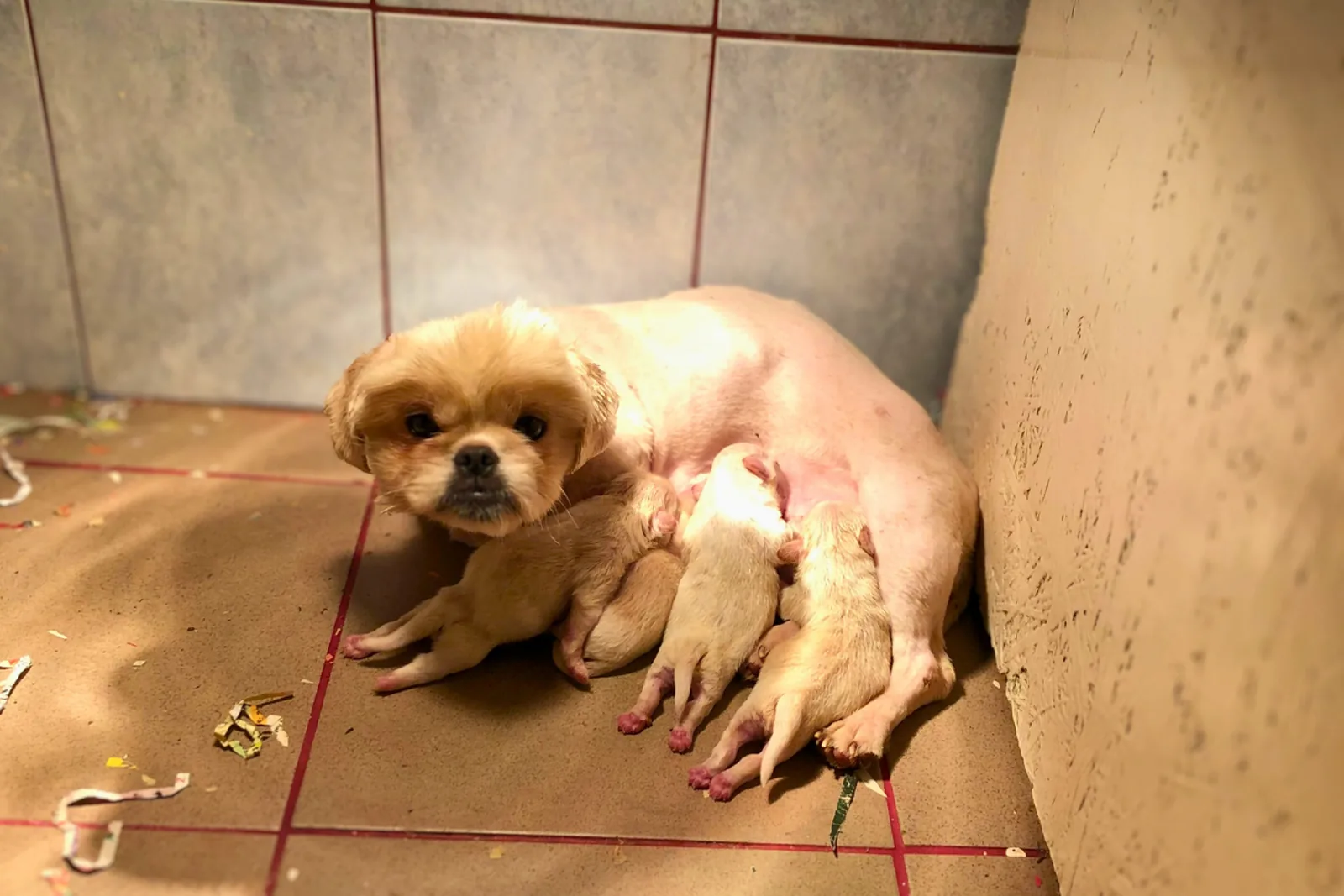
On a puppy farm – whether a hidden farmstead or a seemingly tidy backyard – the lives of the mother dogs follow a very similar script: pregnancy, whelping, weaning, pregnancy again. Without rest. Without recovery. Without real veterinary oversight.
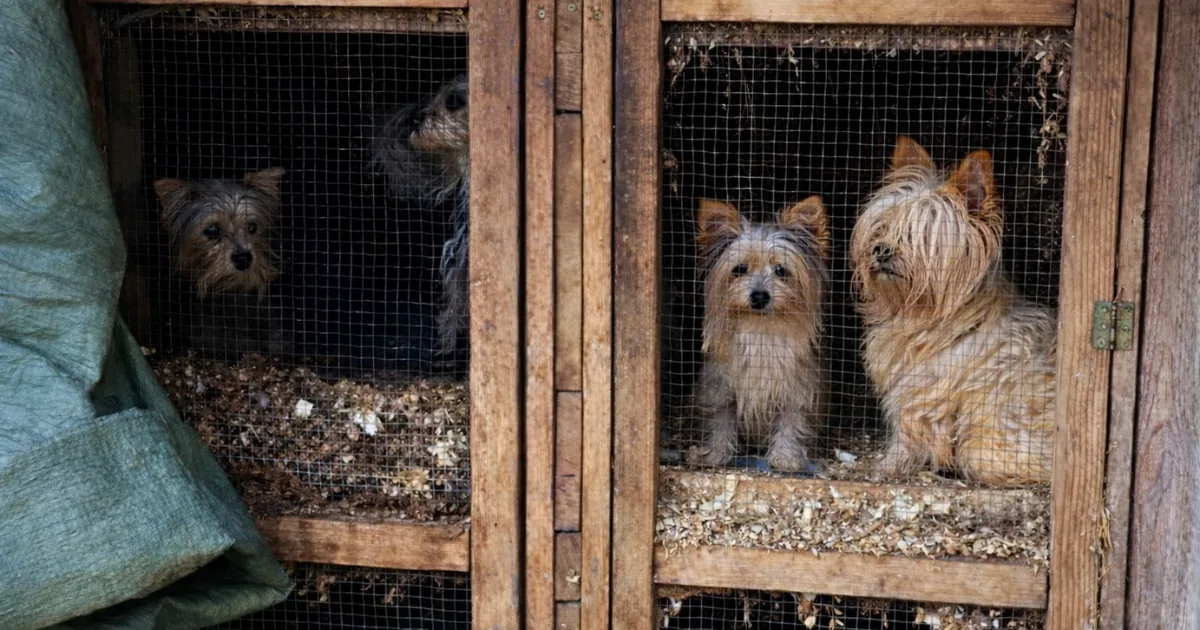
Their bodies are not made for this. Continuous pregnancy depletes their mineral reserves. It destroys their joints, their immune system, their internal organs.
Common problems: uterine infections, mammary tumours, missing teeth, chronic pain, complete physical and nervous exhaustion.
When they can no longer be used, they are made to disappear. Sometimes these dogs end up in the animal welfare cycle or are dumped, but more and more often they end up with another puppy farmer, who may be even worse than the one who used the poor dog until then.
In most cases the puppies carry the marks of their origin all their lives. The ‘puppy factory’ does not raise them. It does not socialise them. It does not teach them.
The puppies often grow up in an environment lacking stimulation. They do not learn to communicate normally. They are separated from their mother and littermates too early.
Later this explodes: anxiety, aggression, separation problems, unmanageable behavioural disorders.
Then the owners do not understand what is happening, since they have given the dog everything. The truth is simply that the dog did not start from zero. On puppy farms a dog is not the beginning of a life story. It is part of a production cycle.
When a dog from such a system later needs help, it is not the puppy farmer who sorts it out. That is when the vets, the owners, trainers, therapists and animal welfare workers step in. It often takes years of work for the dog even to get a chance at a normal life.
Papers, stamps, vets – when the system helps
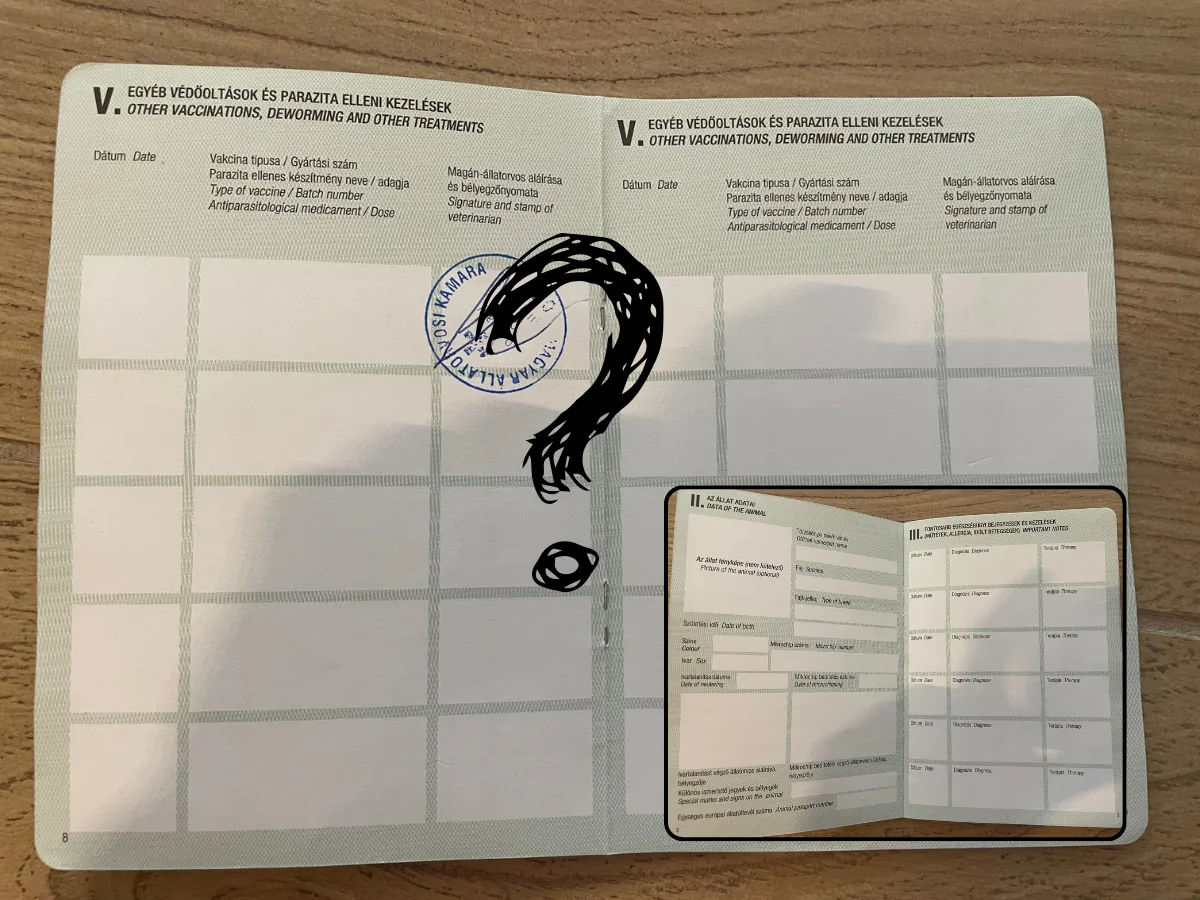
Many people think that puppy farming falls down where there are no papers. That if there is a vaccination booklet, a stamp and a signature, then ‘everything is fine’. And if there is a pedigree too, they have hit the jackpot.
If only that were true.
One of the greatest strengths of the puppy-farming industry is precisely that it can obtain papers as well. It can get a vet on its side if needed. It can show an environment that is in order on paper, and a pedigree is no problem either.
This is the hardest part of the whole thing. That sometimes they manage to make even the safety net part of the system.
I am not saying that every vet is involved or that every paper is forged.
But there are places where:
- the vaccinations exist only as entries,
- the ages are manipulated,
- stamps are put on blank documents,
- no one has seen the puppies,
- and there are ‘official’ papers with nothing behind them.
The people involved know what it takes to appear credible.
Papers are only a tool. What really matters is the background, traceability, transparency, and that someone takes responsibility – not only at the point of sale, but later too.
‘That’s just the breed’ – when we get used to suffering
For some reason, a mistaken and dangerous phrase has spread in recent years: ‘That’s just the breed.’
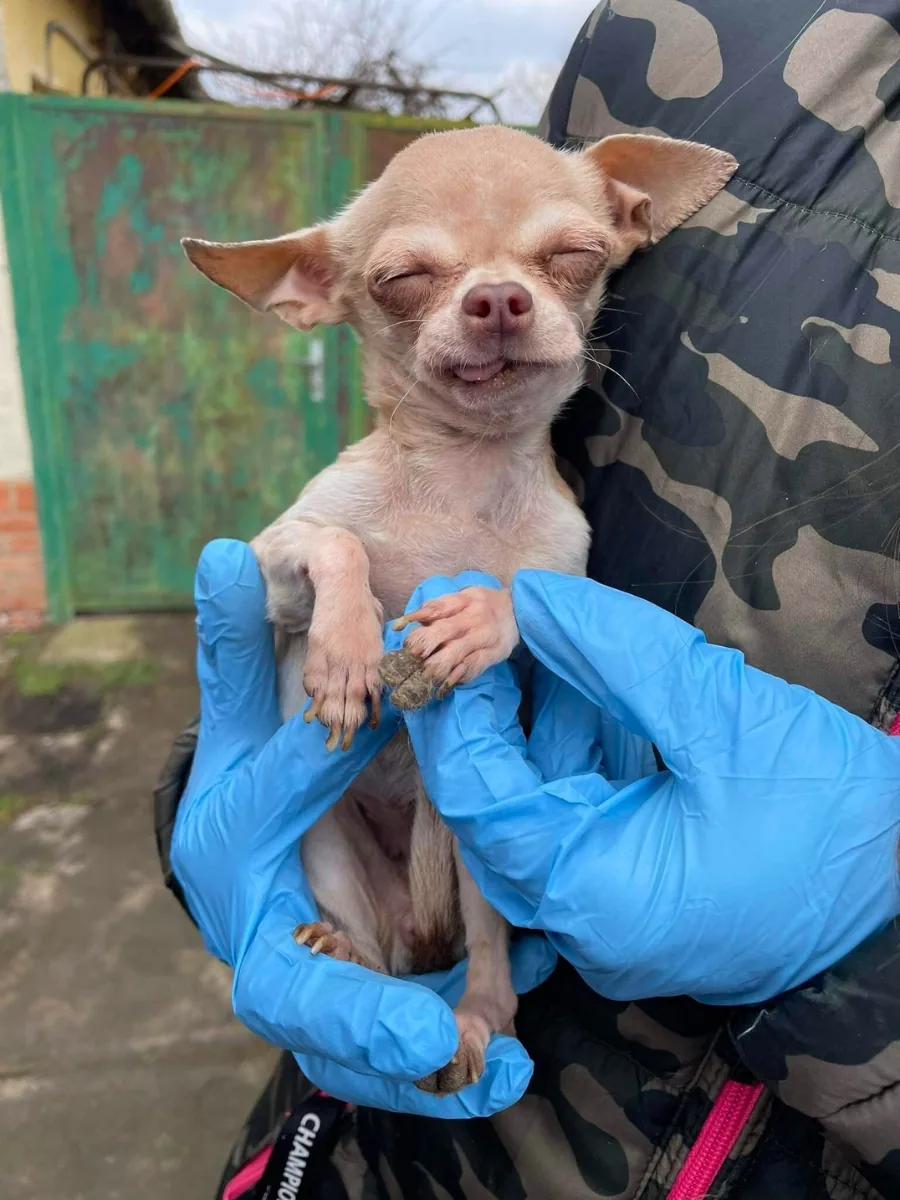
When a Yorkie needs knee surgery. When a bulldog cannot breathe. When a German Shepherd has dysplasia. Or a Chihuahua has hydrocephalus. Or when a dachshund becomes paralysed.
As if these came with the breed. But they do not.
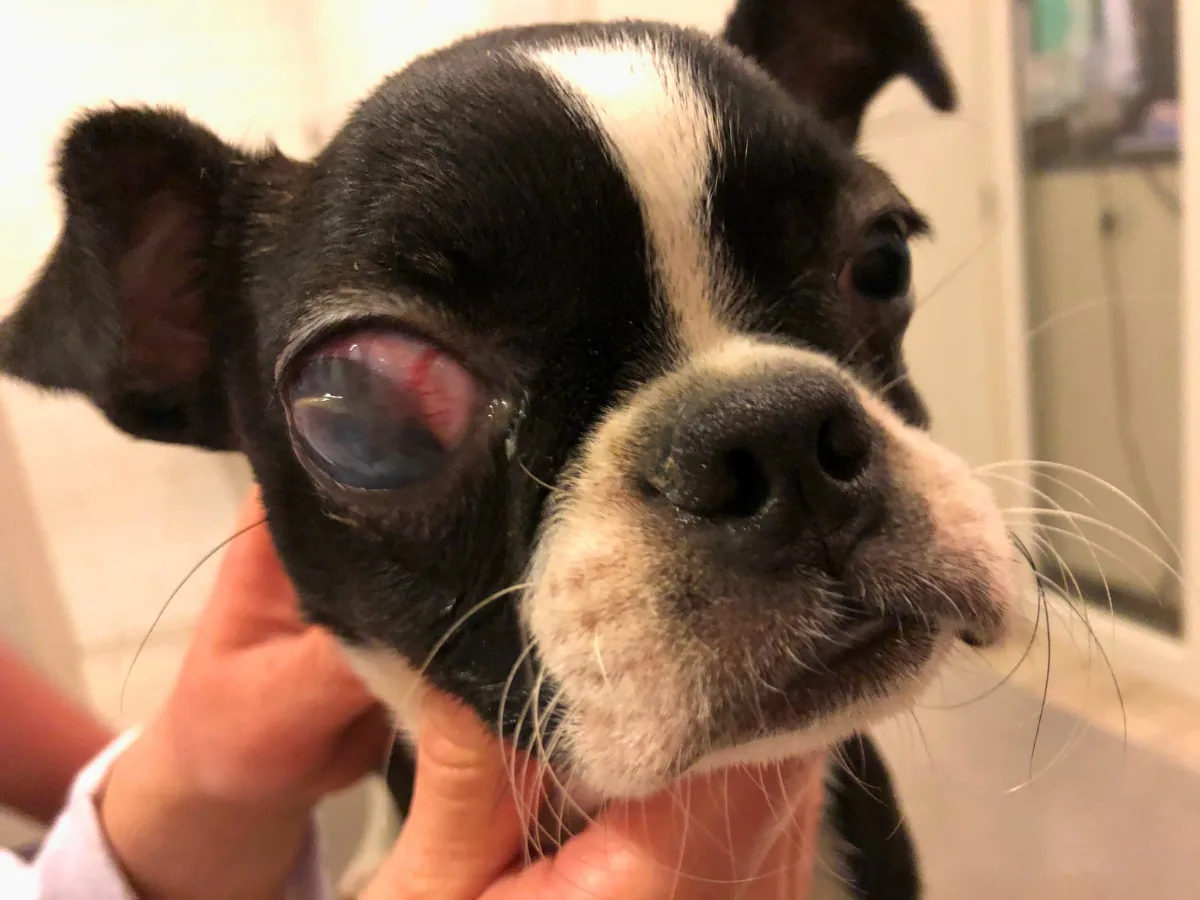
These are not the faults of the breeds. They are the consequences of a cruel industry: overused breeding animals, uncontrolled matings, the lack of genetic screening, and a mindset in which the only real consideration is profit. All this has damaged the health of these dogs over generations.
Why is it so hard to take action against puppy farmers?
From the outside the question often seems simple.
‘Why don’t they shut them down?’ ‘Why don’t they get serious penalties?’ ‘Why can this still go on?’
The answer is not a single cause. It is many factors that cling to one another.
First of all: much of puppy farming operates on the margins of the law. Not entirely legal, but not always clearly illegal either. But it does happen that the officials responsible do not recognise animal cruelty. Not to mention that these animals also have to be placed somewhere, and animal welfare workers are long past the limit of what they can bear.
The authorities are often overloaded. Animal welfare is not a priority everywhere. A single case can drag on for months or years. Cases often cross borders, which does not make the proceedings any easier.
The most serious cases often come to light only when many animals are already suffering, many owners have been harmed, and animal welfare workers have been flagging the problem for a long time. When the dogs are already surviving horrific conditions every day. And even that is no guarantee that anything will happen.
The chain of illegal dog trade
Behind the visible players there are networks that deliberately stay in the background. In many cases they do not deal only in dogs.
In these structures the puppy farmer is often not an independent decision-maker but someone who carries out orders. The decisions are made elsewhere.
In June 2025 the Belgian newspaper Gazet van Antwerpen (in Dutch) published an investigative article.
According to the article, certain organised crime groups – which run drug laboratories and deal in narcotics – are also involved in the illegal puppy trade. The article also names a Belgian dog dealer. The Antwerp public prosecutor’s office is looking for him for illegally dumping drug waste. He lives in Hungary.
Illegal dog trade is not only an animal welfare issue. As long as we focus only on the visible puppy farmers, the networks operating in the background remain untouched. A systemic approach to animal welfare is not only about protecting animals. It is also about understanding and tackling the economic and criminal structures that make exploitation possible.
What can you do – and why does every single decision matter?
Taking action against puppy farming does not begin with ‘swooping’ on someone, but where decisions are made.
Every time someone does not buy a puppy with a suspicious background, the system weakens a little. Not spectacularly. Not immediately. But if many people see that their decision is not a single decision but part of something larger, it becomes noticeable.
You do not need to be an expert. You do not need to know everything about genetics or legislation. Only one thing really matters: whether you are willing to ask, to wait and to say no.
What can you do?
- You find things out. It is not only the price and the looks that matter, but the background, the conditions, the transparency.
- You do not give in to pressure to hurry. A responsible decision is not an impulse purchase.
- You accept that a dog is not something you are ‘owed’, not a right, but a responsibility.
- You consider adoption. It is not a ‘second-best solution’ but a real chance. For both sides.
Perhaps most important of all: you do not stay silent if you see a problem.
Because the puppy-farming industry does not work best in silence. It works best in the space where ‘we don’t want any conflict’, ‘better not to interfere’, ‘it’s none of our business’. But it is.
Behind every dog there is a series of decisions. Every decision affects the kind of world the next ones are born into. Those of us who face the consequences day after day do not talk about this because we like saying hard things. We do it because we see what happens if we do not say them.
This is not the story of a few bad people. It is an industry that has grown into a criminal organisation.