 Állatmentő Szolgálat
- Recording at the scene
- The animal's whole body and close-ups of the visible injuries; the conditions in which it is kept.
- The location must be identifiable: street, house number, GPS or a known building in the background.
- Dated recordings over several days, at different times – this proves that the situation is lasting.
- Do not delete or alter the EXIF metadata; keep the original file.
- Online evidence and witnesses
- Advertisement, post: a full screenshot with the URL and date; for permanent preservation, web.archive.org.
- Witness: name, contact details, and a written, signed and dated statement from them.
- Veterinary documentation This is the decisive evidence. Its evidentiary weight varies:
- Certificate from an official veterinarian – strong, a document issued by a public authority.
- Certificate from a private veterinarian – strong, but its objectivity may be disputed.
- Forensic veterinary expert opinion – usually of particular importance.
- Submission and registration
- Facts first: who did or failed to do what, when and where – not the legal classification.
- The exact location, an itemised list of the evidence.
- Ask for immediate, interim measures too, not only for a sanction.
- Ask for a registered acknowledgement: the case number and the decision – essential for any legal remedy.
01 · What has to be proved
The elements of the offence (Section 244 of the Criminal Code, Btk.)
Under Hungarian law, the basic offence of animal cruelty (Section 244 of Act C of 2012 on the Criminal Code, Btk.) covers two independent forms of conduct: the unjustified abuse of a vertebrate animal, and treatment capable of causing it permanent damage to health or death – the latter may also be committed by omission (prolonged starvation, leaving an illness untreated). It is particularly important that the key is not ‘significant suffering’ actually caused, but whether the treatment was capable of causing damage or death.
| Element of the offence | What has to be proved | By what means |
|---|---|---|
| Passive subject of the offence (the animal against which it is committed) | A vertebrate animal (in the case of driving away, abandoning or putting out, also a dangerous animal) | Identification of the species, photo/video |
| The conduct | Abuse, or treatment capable of causing damage/death (also by omission) | Recording at the scene, witnesses, a description of the circumstances |
| ‘Without justification’ | The conduct was not made necessary by a lawful purpose (e.g. a veterinary procedure) | Documenting the circumstances and the context |
| Effect / capability of the treatment | Capability of causing permanent damage to health or death; the causal link | Veterinary documentation, expert opinion |
Leave the legal classification to the authority
In your report, describe the facts (what exactly is missing: water, shelter, care; since when; with what consequence), not the legal classification. Over-classification – ‘animal cruelty’ where it is neglect – weakens the credibility of your submission in the eyes of the authority.
02 · Common mistakes
Why a case stalls
The most common mistakes in proving a case
- There is no veterinary documentation of the animal's actual condition – a photograph alone is often not enough.
- A single, undated recording that does not show that the situation is lasting.
- The person reporting describes their own opinion instead of observable facts.
- The recording was made from an unlawful place (a private home, fenced private property).
- The recording was altered afterwards (date, image editing) – this undermines its credibility.
- When an animal dies, no post-mortem or toxicology is carried out – so the cause and the intent cannot be proved.
03 · The veterinary documentation
The decisive evidence
A veterinary certificate is often an indispensable element in proving animal cruelty. A lay description such as ‘it was ill/thin’ is not enough on its own: numerical, objective findings are needed.
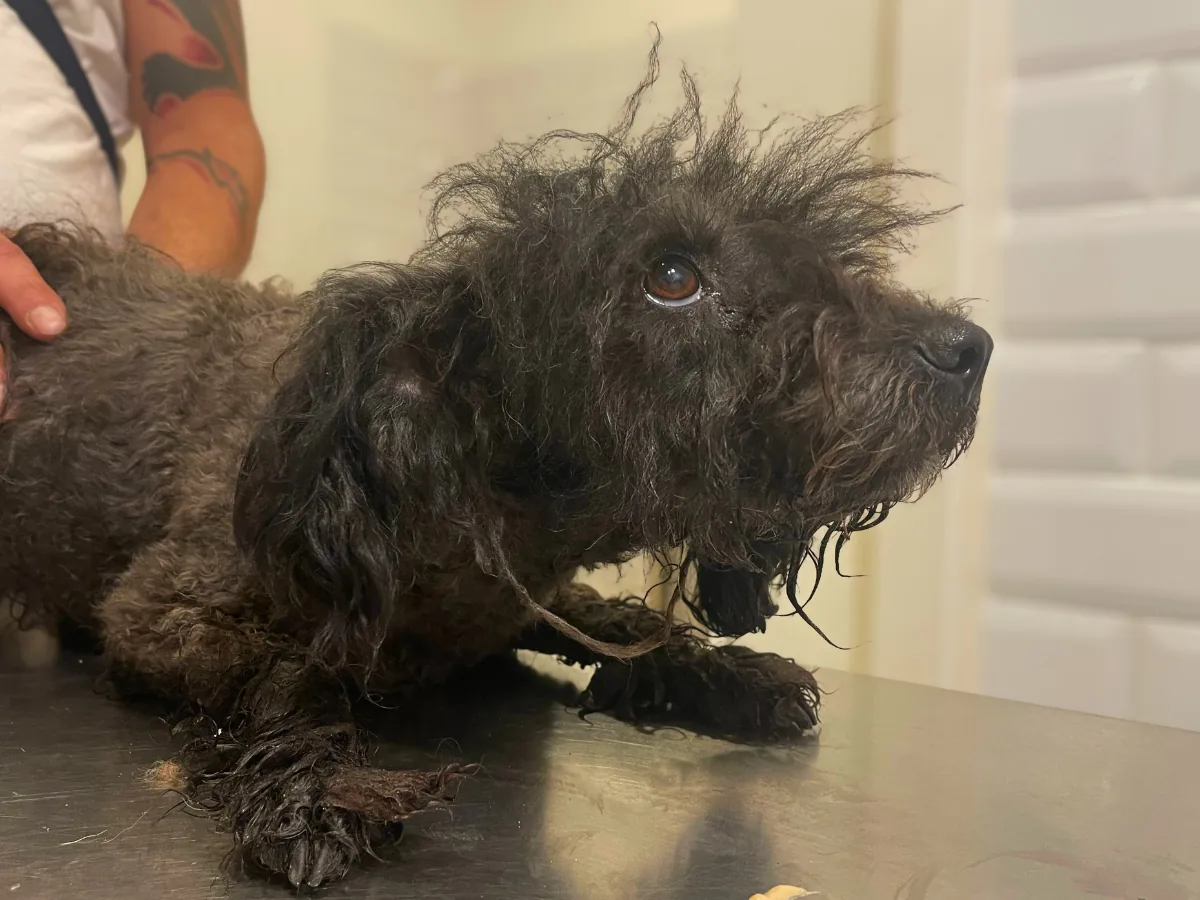
What a usable certificate should contain
- The nature and severity of the injuries and illnessesAnd when they are likely to have arisen – this shows that the situation is lasting.
- A numerical body condition score (BCS)And the state of hydration – objective, measurable data.
- The causal link and the prognosisWhether the treatment was capable of causing permanent damage or death.
- Identifying detailsThe animal's species, sex and approximate age; the time and place of the examination; the veterinarian's signature, stamp and veterinary chamber registration number.
When an animal dies: post-mortem and toxicology
Where poisoning or death is suspected, the post-mortem and toxicology tests are often not carried out – without them, the criminal case often stalls. Preserve the carcass and the scene, do not touch the bait, and ask for an official/veterinary examination.
04 · Evidentiary weight
Official, private and forensic opinions
There is no absolute hierarchy of evidence: the probative value is always weighed by the authority conducting the proceedings or by the court. Even so, the type gives an indication of the weight.
| Type | Evidentiary weight | When |
|---|---|---|
| Certificate from an official veterinarian | Strong – a document issued by a public authority | Requested by the authority during on-site proceedings; placed on the case file |
| Certificate from a private veterinarian | Strong, but its objectivity may be disputed | If the authority does not act quickly; as an annex to the report |
| Forensic veterinary expert opinion | Usually of particular importance, depends on the context | In court proceedings, it may be mandatory for deciding a matter requiring expertise |
Ask for it in writing
The authority cannot treat an oral opinion as a document – ask for a written, stamped and signed certificate. A typical mistake is that the animal is taken to the vet once and then there is no follow-up documentation; the process (on admission and days later) is the best proof.
05 · Photos and videos
Digital evidence – lawfully
The value of a digital recording lies in its lawful acquisition, its integrity and the identifiability of the place and time. Whether an unlawfully obtained recording can be used is uncertain, and it may also expose the person reporting to legal risk.
Checklist before and after recording
- The animal's whole body and close-ups of the visible injuries; the conditions in which it is kept (chain, kennel, empty water bowl).
- The location must be identifiable: street, house number, GPS, a known building in the background.
- Dated recordings over several days, at different times – this proves that the situation is lasting.
- Do not delete or alter the EXIF metadata (date, time, possibly GPS).
- Keep the original file; share only copies, and do not edit the original.
Do not
- Recordings made by entering a private home or fenced private property without authorisation (this may constitute unlawful entry into a private home: magánlaksértés, Btk. Section 221).
- Recording a situation artificially created by provocation – unreliable evidence.
- Changing the date, editing the image, or forwarding the file through a messaging app that strips the metadata – use a file attachment or a cloud link.
06 · Online and witnesses
Online evidence and witness statements
- Advertisements, social media postsA full screenshot with the URL and date; for permanent preservation, save it on web.archive.org. For particularly important evidence, a notarial certification of facts carries strong probative value.
- Witness statementsStatements by neighbours and eyewitnesses are valuable – especially if they have observed the keeping conditions over a longer period. Record the witness's name and contact details, and ask them for a written, signed and dated statement.
- Prohibited: recording a conversation with the animal's keeper without permission, ‘infiltration’ and undercover purchases – in court, these may raise an allegation of provocation and ruin the case.
07 · Neglect or cruelty
When neglect crosses into criminal law
Neglect (passive conduct) may also reach the threshold of criminal law if the treatment is capable of causing the animal permanent damage to health or death. A dog that is starved over a long period and given no water is not necessarily ‘merely’ a case of neglect – it may also amount to animal cruelty under Section 244 of the Criminal Code.
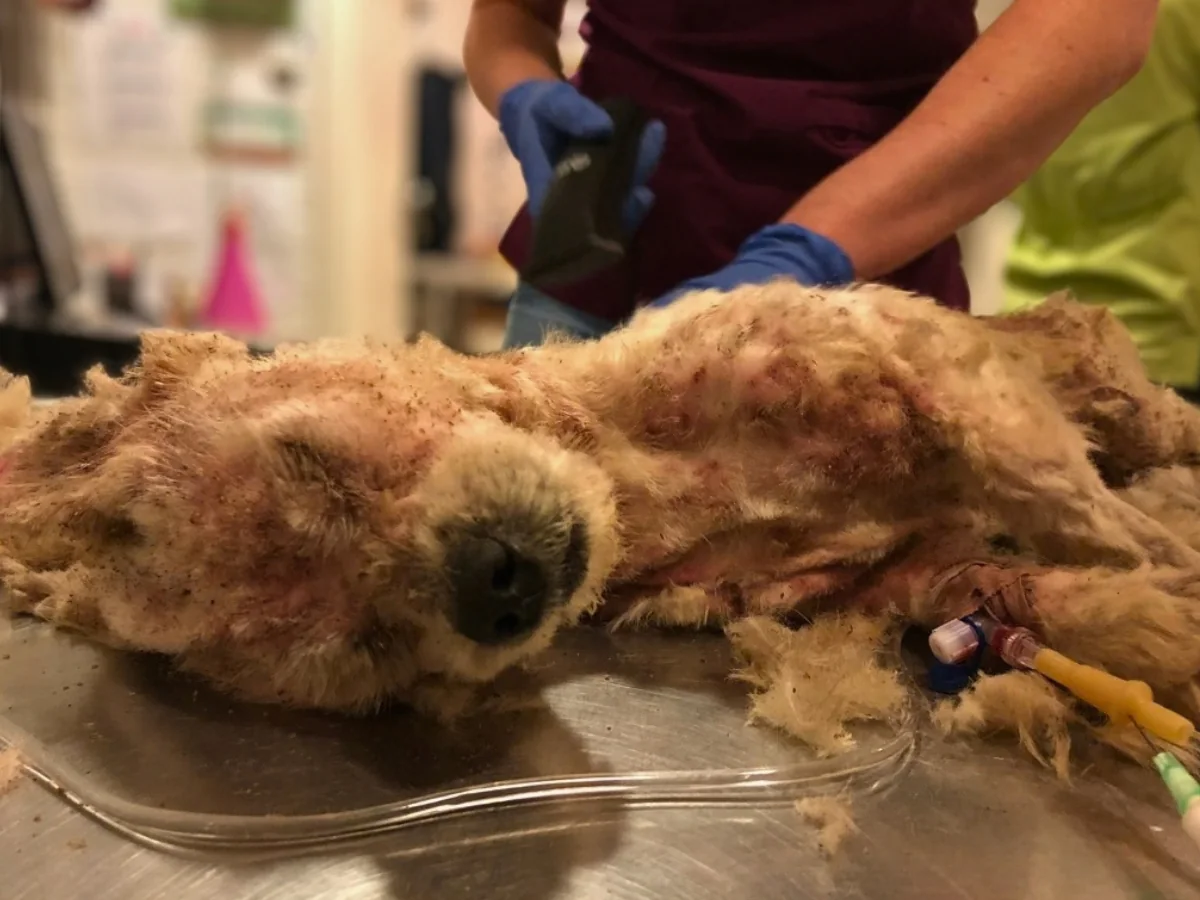
Here too, the key to proof is the veterinarian
The basis of the criminal-law classification is the veterinary documentation: body condition, the causal link and whether the treatment was capable of causing harm. Focus on the keeping conditions, not on intent – ‘I didn't mean it any harm’ is no excuse in the light of the keeping conditions.
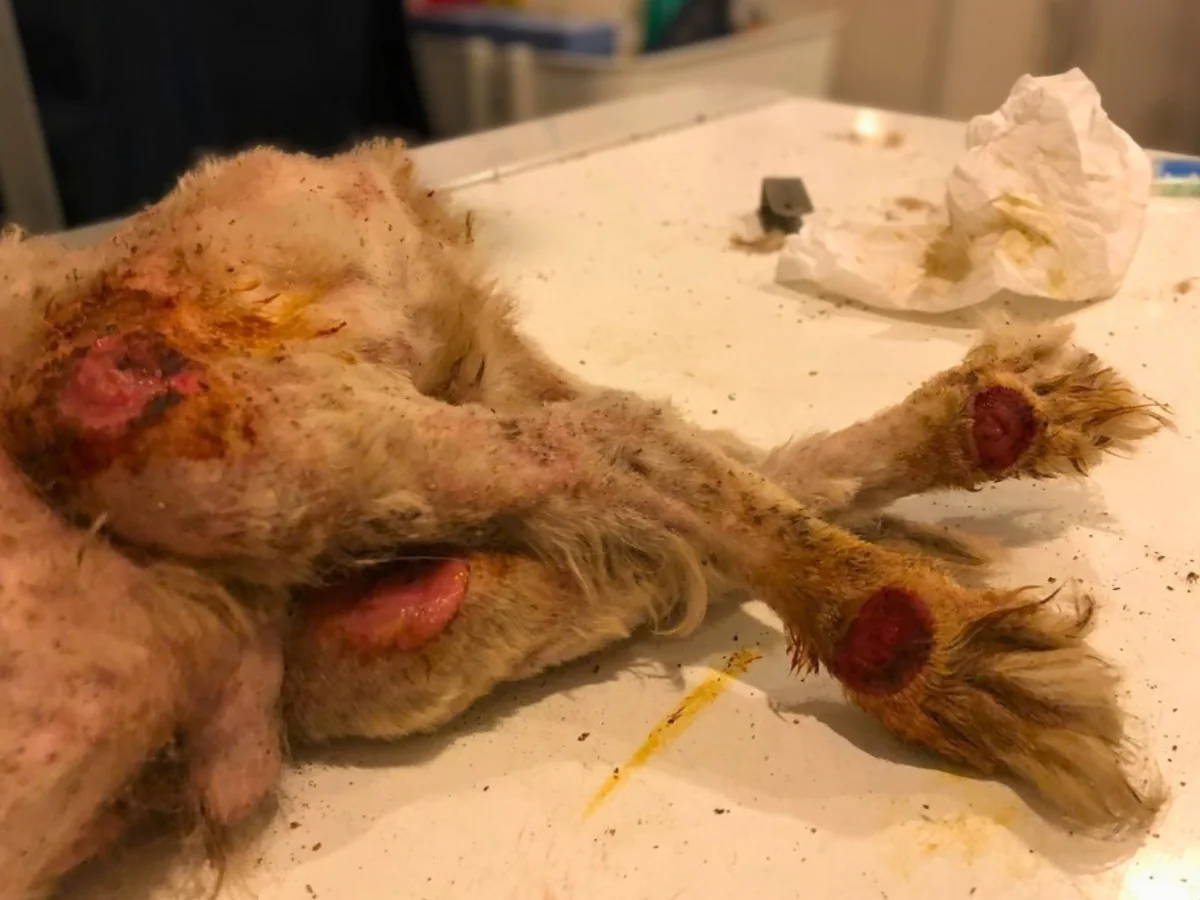
08 · The submission
How to write it so that it can be proved
- Facts firstWho did or failed to do what, when and where; the observed facts, not the legal classification.
- Exact locationAddress, land registry (parcel) number or GPS – without it, the authority cannot go out to the site.
- List the evidenceDated photos/videos, the veterinary certificate, the names and contact details of witnesses.
- Ask for immediate actionNot only a sanction: also ask for interim measures to protect the animal.
- Ask for a registered acknowledgementThe case number and the decision – essential for any later legal remedy.
For ready-to-fill templates, see the ‘Template submissions’ page (in Hungarian) (criminal complaint for animal cruelty, animal welfare report).
09 · Checklist
Before you submit
Quick check
- Do you have veterinary documentation of the animal's actual condition?
- Is there a numerical body condition score and objective findings?
- Do dated recordings over several days prove that the situation is lasting?
- Do you have the original files, with their EXIF data?
- Was every recording made from a lawful place?
- Can the place and time be identified?
- If the animal died, did you ask for a post-mortem and toxicology?