 Állatmentő Szolgálat
01 · The legal framework
Who is competent, under which rules
The tasks of local governments and municipal clerks (jegyző) concerning stray animals are governed by Act XXVIII of 1998 on the Protection and Humane Treatment of Animals (Ávtv.) and Government Decree 785/2021 (XII. 27.). Capture, care, record-keeping and – where agreed – rehoming are carried out by the dog warden (ebrendész) and the dog pound (ebrendészeti telep); operating a dog pound is subject to notification, and it is inspected by the government office (acting as food chain safety and animal health authority).
Definition
Stray animal
A domestic dog or domestic cat that is outside the supervision of its keeper, in an area other than the place where it is kept.
Competence
Municipal clerk · dog control
Within the built-up area (belterület) of a municipality, this is a task of the municipal clerk/local government; capture and care are carried out by the dog warden or the dog pound.
Legal source
Government Decree 785/2021
Detailed rules on capture, housing and transfer of ownership; based on Section 48/A of the Ávtv.
02 · Capture
How capture must be carried out
Capture must be carried out as gently as possible; the noose of the catch pole must be non-choking. The decree sets strict time limits, and the microchip must be checked immediately after capture.
- Time limitsCapture must be attempted within 24 hours of the report and, if unsuccessful, again within 24 hours. Within 100 metres of a public institution, or in the case of an animal posing a threat to the public, it must be attempted without delay, within 4 hours at the latest, and continued until successful.
- Microchip and veterinarianOn capture, the microchip must be checked immediately; a veterinary examination must be carried out immediately in urgent cases, and within 24 hours at the latest. If the animal is microchipped, the owner must be contacted.
- Tracing the ownerThe search for the owner must begin within 24 hours. The owner is deemed unknown if the measures taken are unsuccessful and 15 days have passed since capture.
- On private property, capture may be attempted if the owner of the property requests it and cooperates, or if capture is ordered by an authority – a private individual who reports an animal may not capture it on their own initiative on someone else's private property.
03 · Housing and rehoming
Ownership, rehoming, conditions
If the owner remains unknown, the animal may be rehomed or its ownership transferred – subject to specific conditions. The aim is permanent, responsible placement.
| Element | Rule |
|---|---|
| Condition for rehoming | Microchipped, vaccinated against rabies, treated with a dewormer, neutered (or handed over with an obligation to neuter), with a written agreement |
| Breeding ban | The adopted animal may not be used for reproduction or breeding |
| Surrender to the pound | A domestic dog or cat may be surrendered to the dog pound under a deed of gift, subject to specific conditions – this results in the state acquiring ownership |
| Inspection | Operating a pound is subject to notification; the government office inspects it |
04 · Protecting life
The 45-day rule
The decree places tight limits on killing a captured stray animal. Always check the exact section in the current text of Government Decree 785/2021 and the Ávtv.
- the owner is unknown
- the animal is not adopted
- no registered animal shelter agrees to keep it either
What the rule says
- For 45 days from capture, killing the animal is prohibited – with an exception based on a veterinary expert opinion.
- The exception is narrow: if keeping the animal alive would cause more suffering, its chances of survival are slight, or the animal is aggressive/has a behavioural disorder for non-health reasons and no change can be expected even with professional care.
- Even after the 45 days, only if the owner is unknown, the animal is not adopted, and no registered animal shelter agrees to keep it either.
- On the basis of a veterinary expert opinion, the 45-day period may be shortened to 15 days at the least.
Important interpretation
These 45 days are a minimum protection, not a target. The rule prohibits killing the animal prematurely – it does not require it to be killed on day 45. Adoptability and placement in a shelter take priority.
05 · Costs and civil society
Who pays, and what role shelters play
The owner of a stray animal must reimburse the costs of daily keeping after the official observation, of the microchip, the vaccination and parasite treatment, and of neutering; reimbursement of costs that cannot be recovered may be made a condition of rehoming.
An important concession
No daily keeping costs may be charged to a registered animal protection organisation or animal shelter that helps to find permanent homes for the animals at the pound or takes care of keeping them. This is the key to cooperation between civil society and local government: it is worth clarifying admission capacity and the bearing of costs with the dog pound in advance.
06 · The flaw in the system
Why it must be reformed
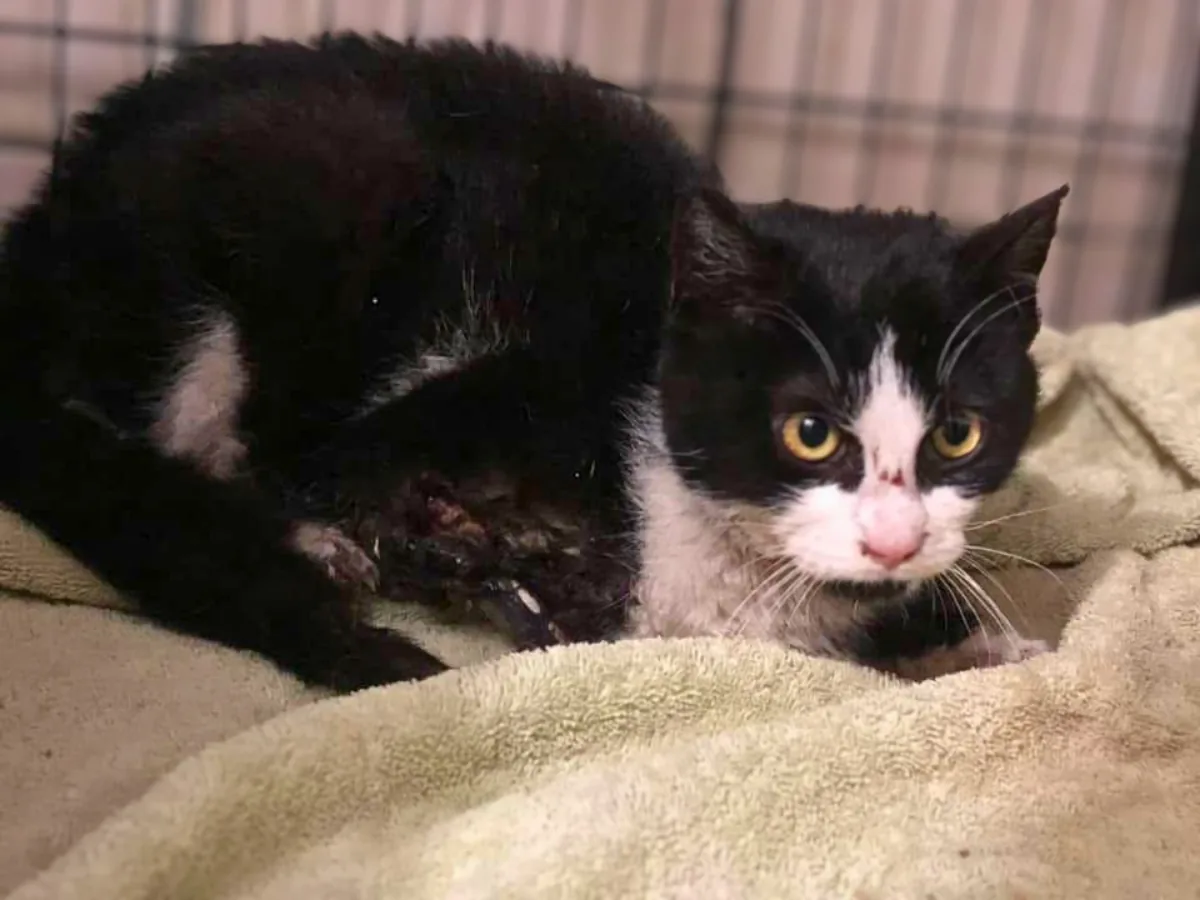
Experience shows that the incentives of the current dog control model are wrong: in many places the economic logic is not saving lives but payment per captured animal and quickly ‘emptying’ the pound. The price is paid in lives and suffering.
The structural problems
- Profit-driven incentive: where income is tied to capture and to the daily keeping fee, the system rewards quantity, not permanent placement of live animals.
- Many read the 45 days as an upper limit rather than a minimum protection – so rehoming and placement in shelters are pushed into the background.
- Treating the symptoms: the system captures animals that are already roaming, but leaves the cause – lack of microchipping, lack of neutering and the puppy-farming market – untouched.
- Lack of transparency: the capture, rehoming and euthanasia statistics of many pounds are not public, so the use of public money and the fate of the animals cannot be followed.
The root of the problem is shared with the puppy-farming market: as long as irresponsible breeding and lack of microchipping persist, the capture system only deals with the consequences. (See the ‘Illegal puppy farmers’ page.)
07 · The humane alternative
Models from abroad
The aim is a system that addresses the cause, is transparent and puts the animal's life first. The proposal is based on proven European models.
Population management
TNR + colony register
For stray cats, trap–neuter–return (TNR), with registered, cared-for colonies to break the spiral of reproduction.
Prevention
Mandatory microchipping + neutering support
Consistently enforced microchipping and registration obligations, with accessible, subsidised neutering programmes.
Operation
No-kill + transparency
Priority for live placement, public capture, rehoming and euthanasia statistics, accounted-for public money.
Tax policy
Reduced VAT on neutering
The VAT rate on neutering should be 5% instead of the current 27%. Belgian model: following a campaign by the animal protection organisation GAIA, parliament cut the VAT on cat neutering from 21% to 6%.
Elements of the proposal
- Reversing the incentivesFunding should be tied to live, permanent placement and to prevention, not to the number of animals captured.
- Cooperation with civil society and sheltersInvolving registered organisations in permanent placement – the law already favours this today.
- Education and responsible ownershipRaising awareness of microchipping, neutering and responsible adoption.
- Transparent reporting of dataMandatory, public statistics, so that the system's performance can be measured and held to account.
08 · What you can do
As someone reporting, as a volunteer
- DocumentThe operation of the pound, the keeping conditions, the state of an unmanaged colony – from a lawful place, with dates.
- Request dataWith a request for data of public interest (FOI request), ask for the capture, rehoming and euthanasia statistics and the pound's accounts of public money (see the ‘Template submissions’ page, in Hungarian).
- Report failuresIf capture or care is not carried out in accordance with the decree, report it to the animal welfare authority, that is, the municipal clerk or the county government office; in case of inaction, see the page ‘Animal welfare administrative proceedings’.
- Support preventionWith microchipping and neutering programmes, TNR and responsible adoption – this reduces the number of animals that need to be captured.
- Talk to the poundAs a registered organisation, about admission capacity and the bearing of costs – the exemption from daily keeping costs is an option provided by law.